
Use a hydrogel sleeping mask as the final step in your evening routine, ideally right before bed or before a big event, when your skin needs deep hydration and visible plumping. For maintenance, apply one 2 to 3 times a week. Before an event, go nightly for 7 to 10 days, then stop if you notice any irritation.
That’s a strong signal, but your skin is still your own. Patch-test any new mask for 24 to 48 hours before wearing it overnight.
- Maintenance schedule: 2 to 3 nights per week
- Event prep schedule: nightly for 7 to 10 nights, then taper back
- Safety check: stop immediately if you notice stinging or spreading redness
Key Takeaways
A hydrogel sleeping mask works by trapping moisture against skin overnight, giving multi-weight hyaluronic acid hours instead of minutes to hydrate and plump.
| Point | Details |
|---|---|
| Use it as your last step | Apply after serum and light moisturizer, before bed, as the final occlusive layer. |
| Match frequency to your goal | 2 to 3 nights weekly for maintenance; nightly for 7 to 10 nights before an event. |
| Patch-test first | Test on your forearm for 24 to 48 hours, especially with sensitive or post-procedure skin. |
| Expect fast results, not instant collagen rebuild | Plumping shows up in hours; elasticity gains need 8 to 12 weeks of consistent use. |
| Vervexofficial fits the sensitive-skin, busy-schedule case | The hypoallergenic Biodance mask turns transparent as it absorbs, backed by 100,000+ reviews and a 98% hydration claim. |
Table of Contents
- Why Overnight Timing Changes What a Hydrogel Mask Can Do
- How to Apply an Overnight Hydrogel Mask Correctly
- How Often Should You Use a Sleeping Mask?
- Is a Sleeping Mask Right for Your Skin Type?
- What Results Can You Actually Expect?
- Fixing Common Sleeping Mask Problems
- Why We Built a Mask You Can Watch Work
- Ready to Try an Overnight Hydrogel Mask?
- Sources
Why Overnight Timing Changes What a Hydrogel Mask Can Do
Skin loses water through evaporation all night long, a process dermatologists call transepidermal water loss (TEWL). A hydrogel mask sits on the skin like a seal, slowing that loss and giving actives hours instead of minutes to work. That occlusion is the entire reason overnight formats outperform quick sheet masks.
Clinical corneometry testing backs this up directly. Hydrogel masks raise stratum corneum hydration by roughly 40 to 60% immediately after application, with the effect holding for 24 to 48 hours. Hydrogel matrices also release their ingredients slowly, over 30 to 90 minutes or longer, rather than dumping everything on contact.
Multi-weight hyaluronic acid contributes to the effectiveness of the mask overnight. High-molecular-weight HA sits on the surface and smooths, while low-molecular-weight HA penetrates deeper and holds water in the tissue itself, a combination documented in cosmetic hydrogel research.
Not every hydrogel is built for eight hours of wear, though.
- Overnight hydrogel sheets and patches: designed for extended contact, higher water content, slower release
- Quick 15 to 30 minute hydrogel treatments: formulated to peak fast, then dry out or lose adhesion if left on longer
How to Apply an Overnight Hydrogel Mask Correctly
Getting the order right matters as much as the mask itself. Here’s the sequence that actually works:
- Double-cleanse if you wore makeup or SPF that day. Leftover product blocks absorption.
- Apply to slightly damp skin. A little residual moisture helps the hydrogel adhere and transfer actives.
- Layer thin, water-based products first. Toner, essence, or a light serum goes on before the mask.
- Skip heavy moisturizer underneath if the mask itself is rich. Doubling up occlusive layers can trap too much product and cause pilling.
- Apply the mask as your last step. For gel formulas, spread a thin, even layer. For sheet or patch hydrogels, press instead of rub, working from the center outward to push out trapped air.
- Avoid the lash line and hairline. These areas shift the most overnight and are where product migrates first.
- In the morning, press any leftover serum into your skin rather than wiping it away, then follow with moisturizer and SPF.
Pro Tip: If your mask leaves a slick film in the morning, don’t rinse it off unless the packaging says to. That residue is still delivering hydration; pressing it in gets you more value than washing it down the drain.
How Often Should You Use a Sleeping Mask?
Frequency depends on your goal, not habit. For everyday hydration and barrier support, most skincare clinicians recommend a few uses per week as a sustainable baseline.
- Maintenance: 2 to 3 nights weekly, indefinitely
- Event prep: nightly for 7 to 10 nights, then drop back to maintenance
- Post-procedure or highly sensitive skin: wait until any visible irritation clears, and check with a dermatologist before resuming
- Oily or acne-prone skin: choose non-comedogenic formulas and back off nightly use if breakouts follow
If you’re new to overnight masking, start on the low end of maintenance and adjust from there.
Is a Sleeping Mask Right for Your Skin Type?
Busy professionals, frequent travelers, skincare beginners, and anyone with sensitive skin tend to get the most out of hydrogel sleeping masks, mainly because the format asks so little effort for a real result.
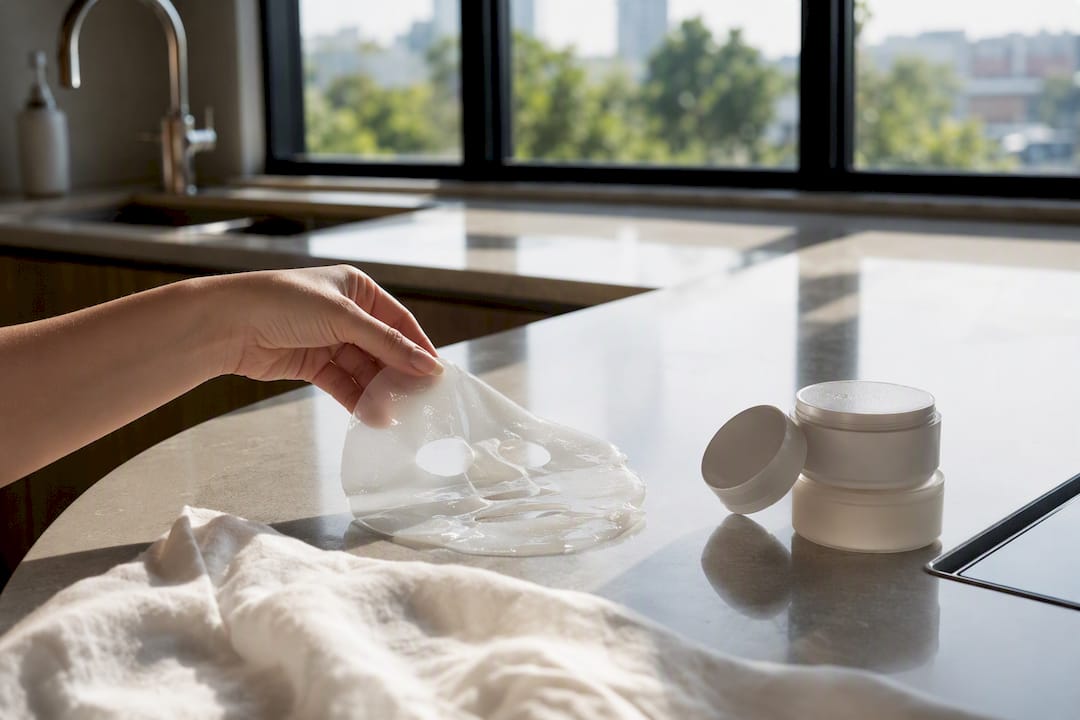
Before your first full overnight wear, patch-test on your inner forearm or behind your ear for 24 to 48 hours. Watch for redness, itching, or bumps.
Stop immediately and consider seeing a dermatologist if you notice:
- Stinging that doesn’t fade within minutes
- Redness that spreads rather than staying contained
- Pustules or new breakouts where the mask touched skin
Vervexofficial formulates its hydrogel masks to be hypoallergenic, which matters if you’ve reacted to fragranced or heavily preserved products before.
Pro Tip: Patch-test on the same night of the week you plan to use the mask regularly. It builds the habit and removes the guesswork on busier nights.
What Results Can You Actually Expect?
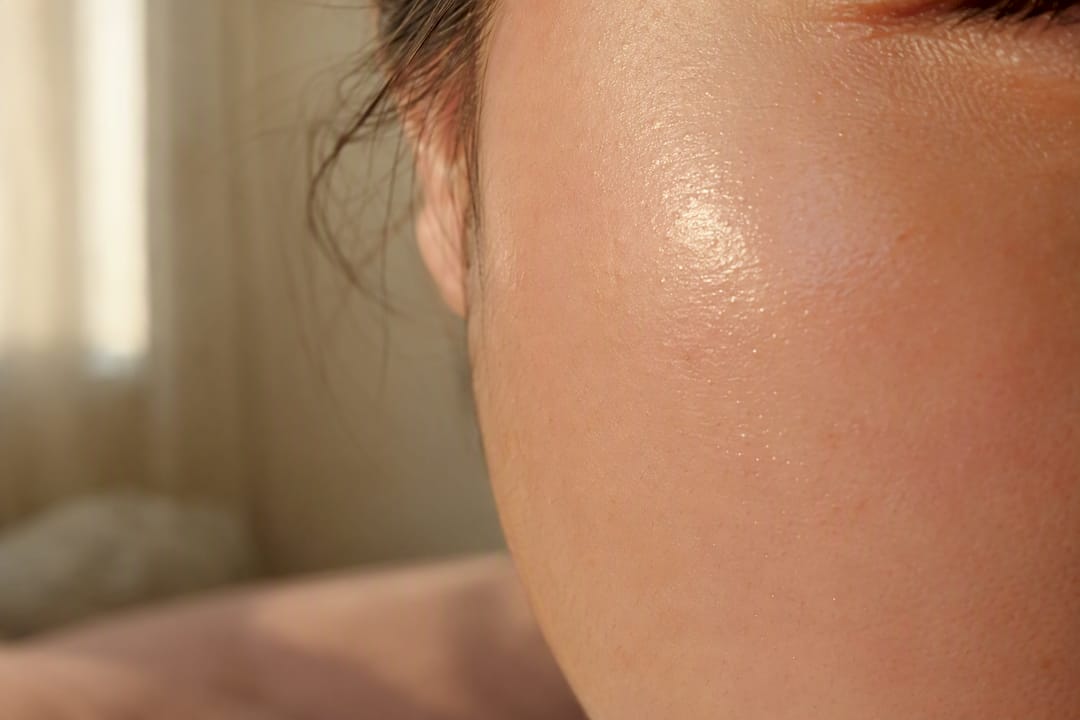
Immediately after removing a hydrogel mask, expect visibly plumper, smoother skin with fine lines looking less pronounced. That effect typically holds for 12 to 48 hours, the so-called glass skin look.
Cumulative change is a slower story. Peptide-loaded hydrogel masks used consistently 2 to 3 times weekly showed fine-line depth reductions of 15 to 25% and elasticity improvements of 20 to 30% over 8 to 12 weeks in study conditions. Results like that come from consistency, not a single night.
What a sleeping mask won’t do is rebuild collagen structure overnight. That kind of remodeling takes sustained regimens or clinical procedures. A hydrogel mask hydrates, plumps, and supports the skin barrier; it doesn’t replace longer-term treatment.
- Immediate: plumping, smoother texture, and temporary softening of lines
- Cumulative (weeks): improved elasticity and hydration retention with regular use
- Not realistic overnight: structural collagen remodeling
Fixing Common Sleeping Mask Problems
A few small habits solve most of the frustrations people report with overnight masks.
- Transfer onto your pillow: switch to a silk pillowcase, and give the mask a minute to settle and adhere before you lie down.
- Pilling or residue on sheets: gently press any displaced product back into your skin rather than wiping it away entirely.
- Puffiness or irritation: refrigerate the mask for 15 to 20 minutes before applying; the cold intensifies the de-puffing and soothing effect, which travelers dealing with jet lag tend to appreciate.
- Persistent discomfort: stop use and consult a dermatologist if irritation lasts beyond a day.
Pro Tip: Keep one mask in the fridge specifically for red-eye flights or rough nights. Cold hydrogel against tired skin works almost like a compress.
Why We Built a Mask You Can Watch Work
Vervexofficial’s hydrogel masks turn transparent as they absorb, so you can actually see the uptake happening rather than guessing whether a product did anything. That visible shift lines up with what researchers describe as an opacity-to-transparency transition tied to absorption.
With over 100,000 reviews and a 98% hydration satisfaction rate behind the Biodance Bio-Collagen mask, the hypoallergenic formula was built for skin that reacts to everything else.
— Vervex
Ready to Try an Overnight Hydrogel Mask?
If you’ve been patch-testing sheet masks that dry out before you fall asleep, the Biodance Bio-Collagen Real Deep Mask is built specifically for the overnight window this guide just walked you through. It’s a fit for anyone juggling a packed schedule, sensitive skin, or a flight before a big event.

Start with 2 to 3 uses across your first week, patch-testing on your arm before your first full overnight wear. Watch the mask turn from opaque to transparent as it absorbs; that’s your visual cue it’s working. Browse the full Vervex range or check the biodance mask ingredient details if you want to know exactly what’s touching your skin before you order.
Sources
- What Is Hydrogel Mask Technology? Full Scientific Analysis (2025) | NutriAdvisor
- Hyaluronic acid–based hydrogels and cosmetic applications (Cosmetics DOI)
- Deep-Infusion Bio-Collagen Hydrogel Face Masks: The Science of Overnight Glass Skin | Glowstice
- Biomedical hydrogels review (MDPI Pharmaceutics, 2020)