
Sheet masks win for quick hydration, travel, and single-session results. Jar masks win for deeper, repeatable treatment with active ingredients like AHAs or clay. Hydrogel overnight masks split the difference, delivering sustained hydration like a sheet mask but with the extended contact time of a jar treatment. Sensitive skin or active-ingredient users should check labels and, if irritation shows up, talk to a dermatologist.
TL;DR:
- Sheet masks are ideal for quick hydration, travel, and single-session use but should not be reused due to contamination risks.
- Jar masks offer deeper, concentrated treatments with active ingredients, but require proper preservation and hygiene practices to ensure safety.
- Hydrogel overnight masks provide sustained hydration with extended contact, combining benefits of both sheet and jar formats without rinsing.
- Cost analysis shows sheet masks are more expensive per use and generate more waste, whereas jars are cost-effective over multiple applications but produce more hard-to-recycle waste.
- For sensitive skin or active ingredient users, checking labels and consulting a dermatologist can help prevent irritation from incorrect mask choices.
Table of Contents
- Single Use vs Jar Masks: The At-a-Glance Comparison
- How Do Sheet Masks and Jar Masks Deliver Different Results?
- Are Reused Sheet Masks and Old Jar Masks Safe to Use?
- What Do Sheet Masks and Jar Masks Cost, and What Do They Waste?
- Which Mask Format Fits Your Skin Goal?
- Where Do Hydrogel Overnight Masks Fit Between Sheets and Jars?
- Three Simple Routines Using Each Mask Type
- Our Take on Choosing Between These Mask Formats
- Try an Overnight Hydrogel Mask Instead of a Sheet or Jar
- Sources
Single Use vs Jar Masks: The At-a-Glance Comparison
Sheet masks are pre-cut, single-application sheets soaked in serum, usually cotton, biocellulose, or hydrogel. Jar masks are thicker formulas (clay, cream, gel) meant for multiple applications over weeks or months.
The main trade-off is convenience versus depth. A sheet mask takes 15 to 20 minutes and gets thrown away. A jar mask often needs rinsing and can carry stronger actives for a more concentrated treatment.
- Travel or a quick glow before an event: grab a sheet mask.
- Weekly deep treatment for texture or breakouts: reach for a jar mask.
- Sustained overnight hydration without rinsing: a hydrogel overnight mask fits best.
- Cost per use: sheet masks run higher per application; jars amortize cost over many uses.
How Do Sheet Masks and Jar Masks Deliver Different Results?
The difference comes down to contact time and occlusion. A sheet mask seals serum against your skin, and that barrier effect can increase penetration of hydrophilic actives during the 15 to 20 minutes it sits there. You get a fast hydration spike because the mask traps moisture rather than letting it evaporate.
Jar masks work differently. Clay and cream formulas rely on longer contact and often thicker texture to pull out oil, exfoliate, or deliver higher concentrations of actives like retinol or salicylic acid. Manufacturers tend to reserve stronger actives for jars because a wash-off format lets them dose more aggressively without the reader wearing it all day.
Preservation matters too. Single-use packets need less preservative since they’re opened once and discarded. Jars need a formulation that survives repeated air and finger exposure without breaking down.
Are Reused Sheet Masks and Old Jar Masks Safe to Use?
Reusing a sheet mask is a hard no. Once it touches your skin, it picks up bacteria, oil, and dead skin cells. Putting it back in the packet for tomorrow just incubates that mess overnight. A single-use mask means single use, full stop.
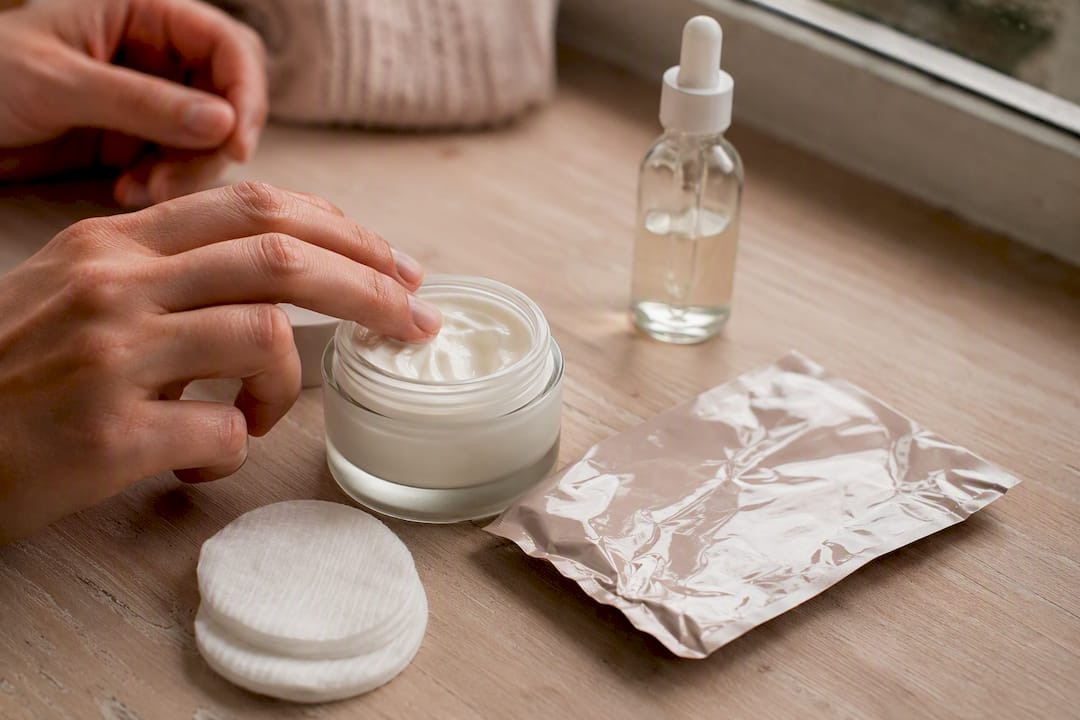
Jar masks carry a different risk profile. Multi-use products need strong preservative systems precisely because fingers and water introduce contamination every time you open the lid. That’s the biggest spoilage vector for jar formulas.
The FDA doesn’t require expiration dates on cosmetics unless a product can’t reasonably stay stable for three years. Manufacturers set their own shelf-life estimates instead, so watch the product itself, not just a printed date.
Before using an opened jar, run through this:
- Check for a smell shift. Sour, rancid, or “off” odors mean toss it.
- Look at color and texture. Separation, discoloration, or a grainy feel signal breakdown.
- Use a spatula, not fingers, to scoop product.
- Keep the jar lid on tight and away from bathroom humidity and steam.
- Discard any jar mask that has been open for an extended period, even if it looks fine.
What Do Sheet Masks and Jar Masks Cost, and What Do They Waste?
A single-use sheet mask typically runs $2 to $6 per application, and you’re buying packaging (foil, plastic tray, sheet material) with every use. A jar mask might cost $20 to $40 upfront but stretch across 15 to 30 applications, which can land well under $2 per use once you do the math.
Waste tells a different story. Sheet masks generate a fresh pile of foil and plastic every session. Jars produce one container per months of use, though that container is often mixed-material plastic that’s harder to recycle curbside.
- Buy sheet masks in multipacks to cut packaging-to-product ratio.
- Rinse jars fully before recycling; residue contaminates recycling streams.
- Favor brands using recyclable or refillable jar packaging when available.
- Single-use still makes sense for travel, sampling a new active, or infrequent use where a jar would expire before you finish it.
Pro Tip: If you travel often, buy a small multipack of sheet masks instead of a full-size jar treatment. You’ll skip the “half-used jar expires in my cabinet” problem entirely.
Which Mask Format Fits Your Skin Goal?
Match the format to what you’re actually trying to fix, not just what’s trending.
- Hydration: Sheet masks or hydrogel overnight masks both work well; hydrogel wins for sustained, no-rinse delivery through the night.
- Exfoliation or texture: Jar masks with AHAs or BHAs are formulated for this job, but dermatology reviews recommend limiting frequency to one or two uses a week to avoid irritation.
- Brightening: Either format can carry vitamin C or niacinamide, though jars often hold higher concentrations for weekly treatments.
- Calming or redness: Sheet masks with soothing serums (centella, oat) give fast relief without the friction of a wash-off step.
Sensitive or acne-prone skin should avoid layering a jar exfoliant the same night as a sheet mask with actives. Give your skin a night in between. Dehydrated skin tends to respond best to occlusive formats, sheets or hydrogels, since trapping moisture is the whole point.
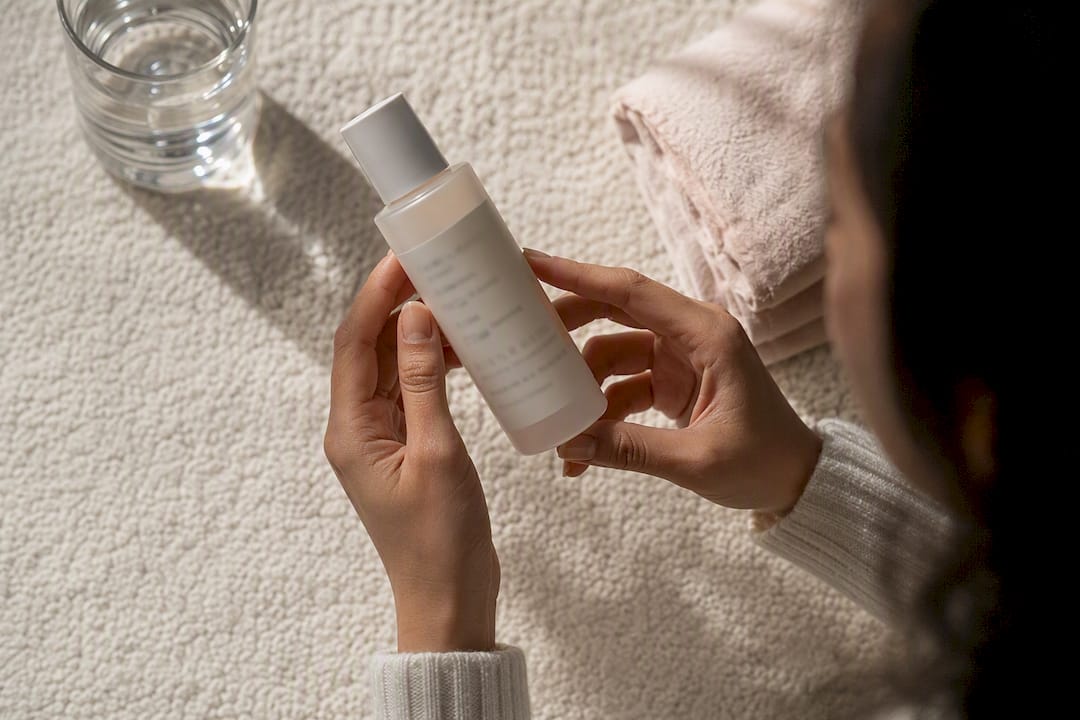
Before buying, check the label for active percentage, pH (lower pH boosts exfoliant potency but also irritation risk), preservative type, and fragrance, especially if you have reactive skin.
Where Do Hydrogel Overnight Masks Fit Between Sheets and Jars?
Hydrogel masks split the difference. They deliver the occlusive hydration boost of a sheet mask but with hours of contact time instead of 20 minutes, which is closer to how a jar treatment works. Vervexofficial’s hydrogel overnight masks go a step further: the hydrogel material turns transparent as it absorbs, so you can see nutrient penetration happening while you sleep instead of guessing.
That visible cue matters for people who’ve never been sure a mask is “working.” It’s also why the format tends to suit specific routines:
- Busy people who want a set-and-forget step instead of a rinse-and-time ritual.
- Sensitive skin needing a hypoallergenic formula without daily guesswork.
- Anyone who wants sheet-mask convenience with jar-mask staying power.
If you’re deciding between a quick sheet mask and a weekend jar ritual, an overnight hydrogel is worth trying as a third lane, particularly on nights you want results without babysitting a timer.
Three Simple Routines Using Each Mask Type
Here’s how these formats actually slot into a week:
- Weeknight quick hydration: Cleanse, apply a hydrating sheet mask for 15 to 20 minutes, remove, pat in the remaining serum, and moisturize. Ten minutes of actual effort.
- Weekend deep treatment: Cleanse, apply a clay or AHA jar mask for the time listed on the label (usually 10 to 15 minutes), rinse thoroughly, follow with a calming serum and moisturizer since actives can leave skin slightly tight.
- Overnight hydrogel routine: Cleanse, apply the hydrogel mask as the last step before bed, skip heavy moisturizer underneath so you can watch it turn transparent, and remove any residue in the morning.
Pro Tip: Never stack an active-ingredient jar mask and a hydrogel mask on the same night. Space them at least 24 hours apart so your skin barrier isn’t handling two treatments at once.
Our Take on Choosing Between These Mask Formats
Most of the “sheet versus jar” debate online treats this as a binary choice, and that’s the wrong frame. The real question is what job you’re hiring the mask to do that night. A sheet mask is a tool for a moment. A jar mask is a tool for a routine. An overnight hydrogel, in our view, is underused as a category because people default to thinking “mask” means either a 15 minute commitment or a weekly ritual, when sustained overnight delivery solves a problem neither format fully addresses: staying hydrated through eight hours of sleep without a rinse step in the morning. Test new actives cautiously, patch test when trying anything new, and see a dermatologist if irritation persists beyond a few days.
— Vervex
Try an Overnight Hydrogel Mask Instead of a Sheet or Jar
If you’ve read this far and you’re still stuck between grabbing another box of sheet masks or committing to a jar treatment, consider a third option that skips the trade-off entirely. The Biodance Bio-Collagen Real Deep Mask delivers overnight hydration with visible absorption, the hydrogel turns transparent as it’s absorbed, so you know it’s working without waiting for a jar’s cumulative results or repeating a sheet mask night after night.

- Fits busy routines: one step, no rinsing, no timers.
- Works for sensitive skin thanks to its hypoallergenic formula.
- Delivers the sustained contact time of a jar mask with the simplicity of a single application.
If overnight hydration and firmer, plumper skin by morning sounds like the upgrade your routine needs, check out the Biodance Bio-Collagen Real Deep Mask pack and see how it fits into your week.
Sources
For shelf-life and expiration guidance, the FDA’s cosmetics safety resource lays out what manufacturers are and aren’t required to disclose. For the science behind occlusion and delivery, see the peer-reviewed work on topical absorption, preservation and contamination risk, and mask formulation safety.
- Cosmetics safety: shelf life and expiration dating - FDA
- Topical formulation preservation and contamination risks - PubMed
- Occlusion and topical absorption: effects on delivery - PubMed
- Formulation and at-home treatment safety for topical masks - PMC